
Feeling better can start with small changes
Our natural environment supports the food we eat and the economy we rely on, and it plays an important role in our overall health and wellbeing. By protecting it, we help support the natural systems we all depend on.
Your wallet
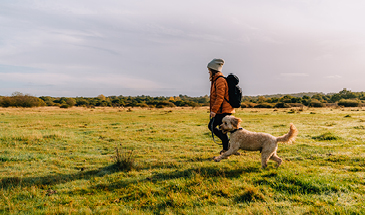
Make your own fertiliser
Instead of using liquid fertilisers, the Royal Horticultural Society (RHS) highlights that making your own at home can help cut gardening costs while also reducing waste and transport impacts.
(RHS, 2024)
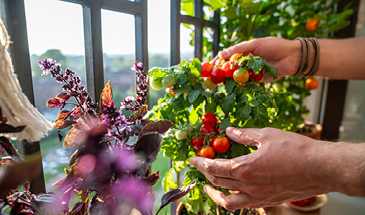
Shift towards plant-based
Research suggests that in the UK, adopting a vegan, vegetarian, or flexitarian diet could reduce your food bill by up to one-third.
(University of Oxford, 2021)
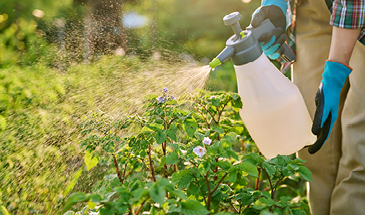
£50
Annual saving of using a reusable cup for your daily coffee.
(based on a £0.20p discount over 250 days)
Your wellbeing
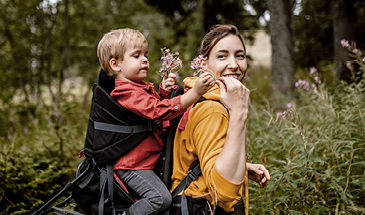
Relax & unwind
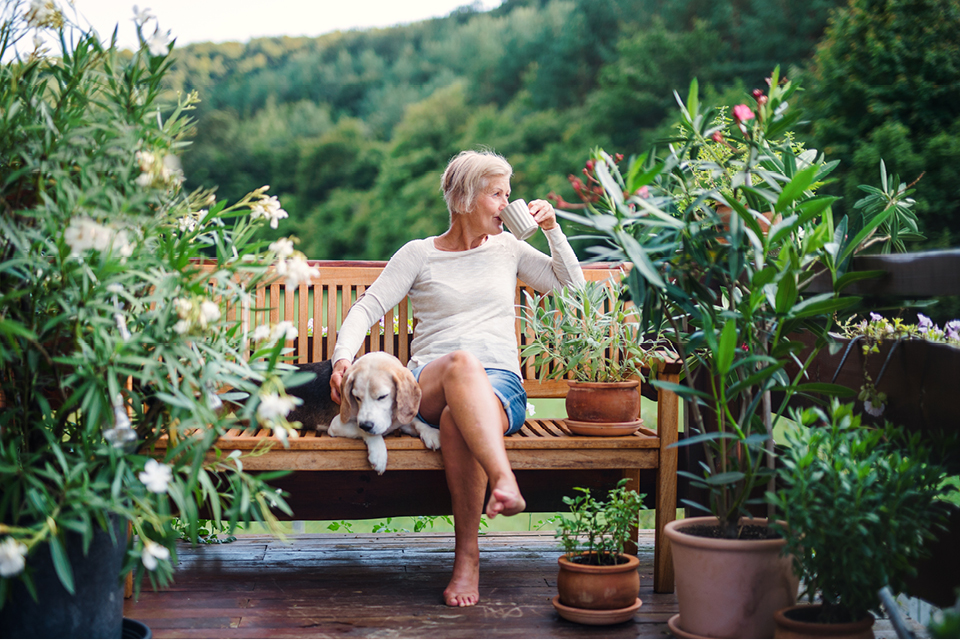
Time outdoors can help reduce your stress and anxiety. This can boost your mood, focus and creativity.
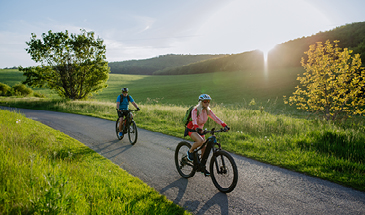
Physical exercise
Walking, gardening or doing similar outdoor activities can support your fitness and heart health.

Health
Correctly managing our waste can help prevent harmful materials from entering the natural environment, which is important for protecting ecosystems and the public.
Your world

Cleaner air and water
Healthy ecosystems can help filter air and purify water.

Stronger food systems
Pollinators play a role in producing around 75% of the world’s leading food crops.
(UN Food & Agriculture Organisation, 2026)

Thriving communities
Green spaces can help reduce pollution and noise, increase biodiversity and provide places where people can meet.
Did you know?
Economic benefits
The UK’s natural environment is one of the country’s greatest economic assets – valued at over £15 trillion in 2023, delivering more than £36 billion in economic benefits every year. However, nature is under pressure and that’s why it’s vital that we protect and invest in it.
(Gov.uk, 2026)
Natural defences
Nature can help reduce the impacts of extreme weather. In rural locations, wetlands and peatlands can absorb excess rainfall and help reduce flood risk. In cities, green spaces and trees can help manage rainwater, stabilise soil to reduce erosion, and provide shelter and shade during hot weather.
Forestry
Studies suggest that just 8.6% of Northern Ireland’s land area is wooded, with urban tree canopy averaging approximately 15.2%, amongst the lowest levels in the UK. Increasing woodland and tree cover is widely identified as important for supporting climate resilience and nature recovery in Northern Ireland.
(Woodland Trust, 2025)
Why it matters
Our lives and our economy depend on the natural environment around us. Access to clean, outdoor spaces can help people to relax, stay active and connect with others. A healthy environment also supports the natural systems that sustain life and economic activity.
 Over half of global economic activity depends on nature, through ecosystem services such as clean air and water, food production and climate regulation.
(World Economic Forum, 2020)
Green and open spaces support physical health, encourage activity and are linked to improved mental wellbeing.
(World Health Organization, 2022)
Protecting nature helps create healthier environments and more resilient communities, particularly in the face of climate and environmental change.
(World Health Organization, 2022; United Nations Environment Programme)
Nature provides essential materials used in everyday life – including wood, metals and minerals – that support construction, manufacturing and infrastructure.
(United Nations, 2021)
Many modern medicines originate from plants, highlighting the role of biodiversity in healthcare and medical research.
(World Health Organisation, 2025)
What you can do
Looking after the natural world, your health and your wellbeing can go hand in hand.
Whether it’s a change to your routine or a bigger lifestyle shift, every step can help make a positive difference.
 |
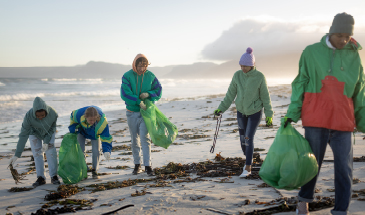
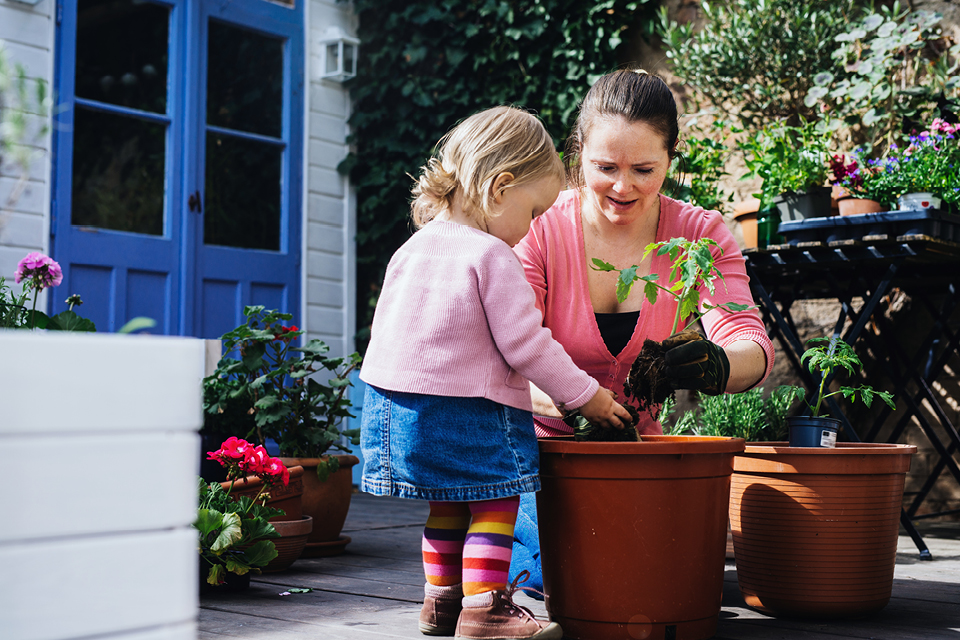
Small changes:Making small changes to your everyday habits can support a healthy natural environment and help create calmer, healthier and more productive surroundings.
|
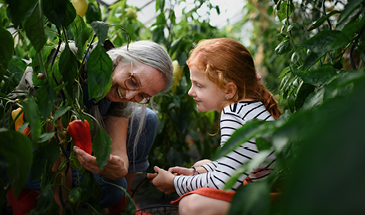 |
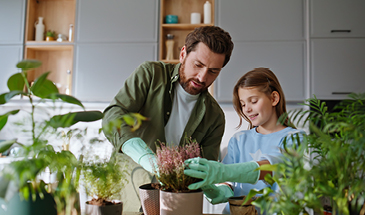
Medium changes:Changes to how we garden, shop and spend time outdoors can support wellbeing while benefiting the environment.
|
 |
Big changes:Bigger changes can help create outdoor spaces that support wellbeing for you and the people around you.
|
How AIB Group supports our natural environment
We recognise that the natural environment is priceless to our economy, as well as to the wellbeing of customers, colleagues and communities.
With a presence in over 170 communities across the island of Ireland, we help support positive environmental initiatives, including natural habitat restoration, while helping to create healthier spaces for people.
These include:
 Farm Zero C – we partnered with the Farm Zero C initiative to support the development of climate-neutral dairy farming. This aims to support biodiversity, soil health and water quality, while helping rural economies remain commercially viable.
Tree planting through the 100 Million Trees Project - sponsoring the planting of 275,000 native trees.
Native woodland creation - partnering with Coillte Nature and Forestry Partners to plant 90,000 native Irish trees.
Biodiversity research – supporting climate and biodiversity research through the €10 million AIB Trinity Climate Hub.
Pollinator protection - promoting pollinator-friendly actions through the All-Ireland Pollinator Plan.
Together, these initiatives support greener, healthier environments for communities across the island of Ireland.
Frequently asked questions
Find out more on sustainability


Before proceeding please take time to read our Site Legal Notice, Privacy and Cookie Statements. By proceeding further you are deemed to have read and accepted these when using our website.
AIB Group (UK) p.l.c. is covered by the Financial Services Compensation Scheme and the Financial Ombudsman Service.


The AIB logo and AIB (NI) are trade marks used under licence by AIB Group (UK) p.l.c. incorporated in Northern Ireland. Registered Office 92 Ann Street, Belfast BT1 3HH. Registered Number NI018800. Authorised by the Prudential Regulation Authority and regulated by the Financial Conduct Authority and the Prudential Regulation Authority.