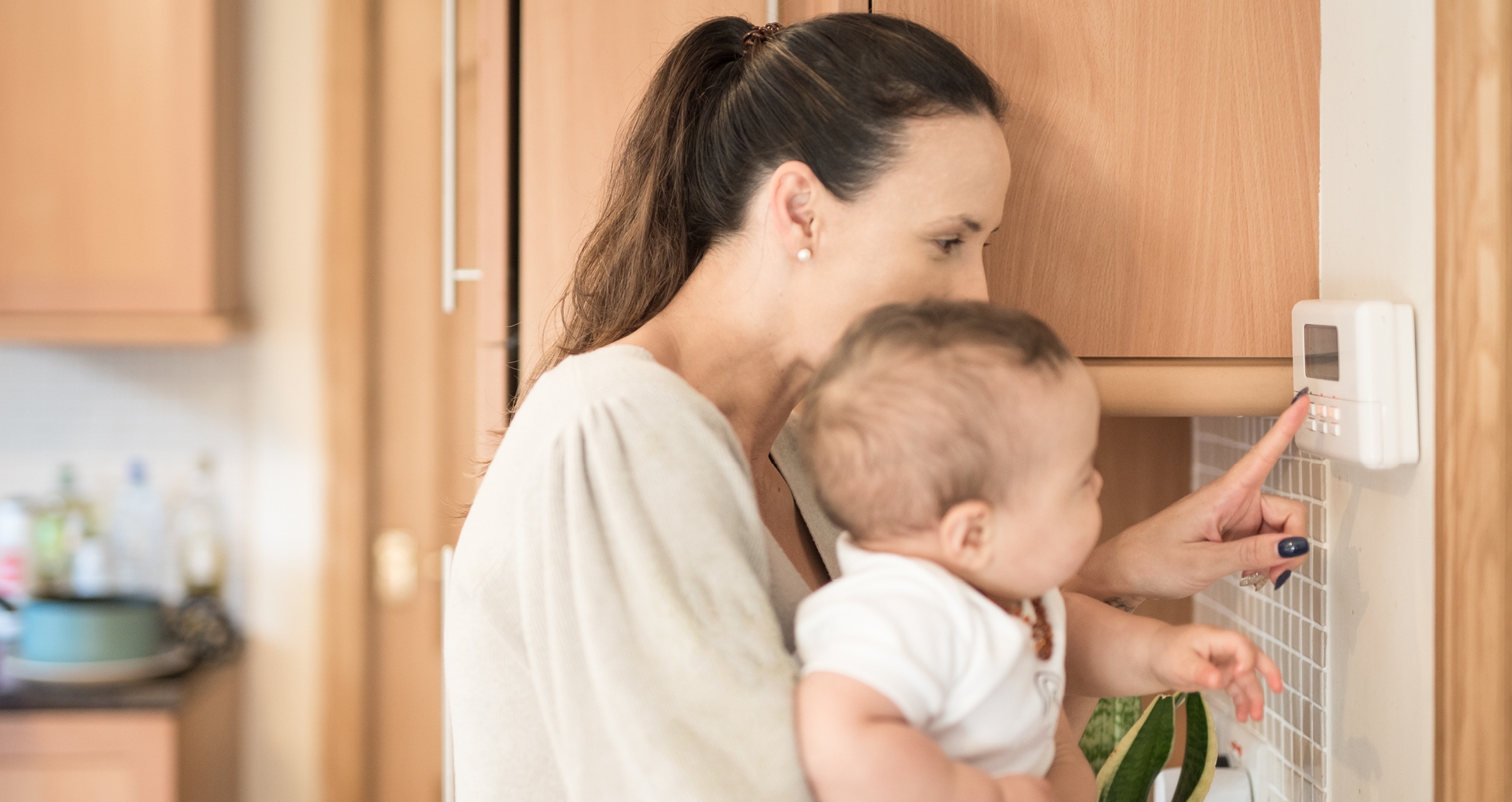
Feeling better can start at home
How we heat and power our homes can affect how we feel each day. Warm, energy-efficient homes can help support better health, greater comfort and may help reduce stress from energy bills. Whether you rent or own your home, even small changes can help make a difference.
Your wallet
Save up to 25%
Retrofitting your home may help reduce energy bills, with estimates suggesting savings of between 5 and 50%. Based on the average energy bill for a household in Northern Ireland, a 25% saving could leave around £495 a year in your pocket.
(Energy Saving Trust, 2026)
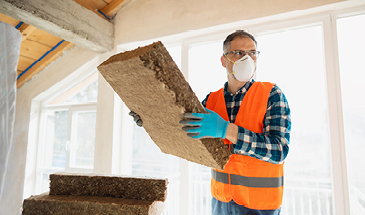
Reduce emissions and energy bills
High levels of insulation can help your home stay warm and keep it heated as efficiently as possible. Adopting measures, like installing cavity wall insulation, could also help cut your energy bills and your carbon emissions.
(NI Direct)

Basic improvements can pay for themselves
The key basic improvements like changing your boiler if broken or 15 years old, changing your bulbs to LED, reducing temperatures and using less, could pay for themselves.
(Northern Ireland Housing Executive)
Your wellbeing
A warmer, healthier home
Cold or poorly insulated homes are associated with damp and mould, which can negatively affect health and wellbeing.
(UK Parliament, 2023)

Better physical health
Cold homes can increase risks of respiratory and cardiovascular diseases.
(British Medical Journal, 2022)

Less stress
Lower and more predictable energy bills can reduce financial pressure and support peace of mind.
Your world

Cleaner air
Reducing fossil fuel use in your home helps improve air quality.
(University College Dublin, 2025)

Lower carbon emissions
Energy use in homes contribute significantly to emissions in Northern Ireland, with the buildings sector responsible for around 14% of total greenhouse gas emissions.
(DAERA/NISRA, 2025)
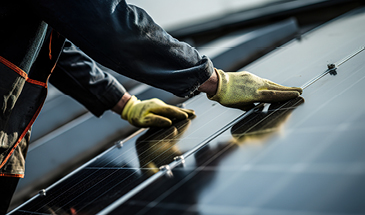
Progress towards cleaner energy – Energy Independence
Northern Ireland is increasing the share of electricity generated from renewable sources such as wind and solar, which now provide around 47% of electricity consumption, helping to reduce reliance on fossil fuels and improve energy security.
(Department for the Economy/NISRA, 2026)
Did you know?
Lightbulbs
LED lightbulbs use around 80% less electricity than halogen bulbs, making them one of the easiest ways to reduce energy bills.
(Energy Saving Trust, 2026)
Standby
The average UK household wastes £65 - £100 per year on standby power from devices left plugged in – which can make up 6 – 10% of a household’s electricity bill.
(UK Parliament, 2023)
Solar Panels
Installing solar panels can save households around £500 a year on energy bills.
(Gov.uk, 2025)

Why it matters
In the UK, a typical household uses around 14,000 kWh (14MWh) of energy per year, and around 80% of this is used for heating and hot water.
 Poorly insulated homes lose heat, meaning you need to use more energy to stay warm leading to higher energy bills.
Improving insulation helps keep heat in, making homes warmer and more comfortable to live in.
Improving energy efficiency lowers energy use, helping to reduce emissions and environmental impact.
(Energy Saving Trust, 2026)
What you can do
To become more energy efficient at home, you don’t need to make huge changes. Getting into small energy-efficient habits can help reduce energy use, may improve your comfort and can help lower energy bills.
Whether it’s something you can do today or a larger upgrade in the future, every change can contribute.
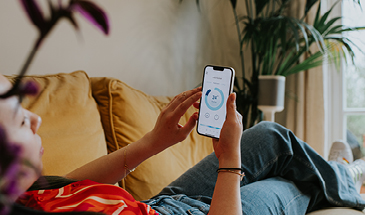 |
Small changes:Simple everyday habits can help reduce your energy use while keeping your home comfortable.
|
 |
Medium changes:Improvements around the home can make a difference to energy use and comfort.
|
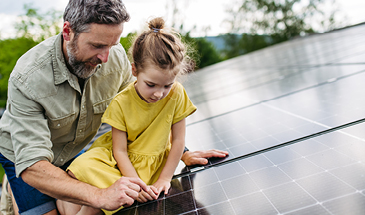 |
Big changes:Larger home upgrades can help improve your energy efficiency while potentially reducing long-term costs and emissions.
|
How AIB supports energy efficiency
We help households and communities reduce energy use and move towards more sustainable homes.
We do this by offering tools and financing options to make energy improvements more accessible, including:
AIB Group has also given over €20 billion in Green and Transition lending since 2019. This supports renewable energy projects, low-carbon homes and the transition to cleaner energy.
This information is not educational sustainability content and is for product awareness only. AIB (NI) products are not a requirement to achieve sustainability outcomes.
Frequently asked questions
Find out more on sustainability




Before proceeding please take time to read our Site Legal Notice, Privacy and Cookie Statements. By proceeding further you are deemed to have read and accepted these when using our website.
AIB Group (UK) p.l.c. is covered by the Financial Services Compensation Scheme and the Financial Ombudsman Service.


The AIB logo and AIB (NI) are trade marks used under licence by AIB Group (UK) p.l.c. incorporated in Northern Ireland. Registered Office 92 Ann Street, Belfast BT1 3HH. Registered Number NI018800. Authorised by the Prudential Regulation Authority and regulated by the Financial Conduct Authority and the Prudential Regulation Authority.